
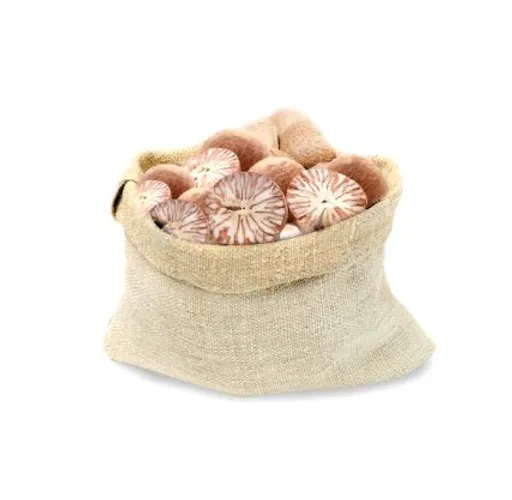
Areca nut or betel nut, as commonly referred in India is a seed of the Areca Palm tree, that goes with the botanical name Areca catechu. Native to India, also known as supari, the word areca originated from multiple South Indian languages like Adike in Kannada, Ataykka in Malayalam and Adaikkay in Tamil. According to historians, it is believed that this hard nut with intense flavour was first introduced to European countries by Portuguese sailors.
In India, areca nut is an indispensable part of the culture. It is often associated with good omen or fortune and is a must-have in ‘tamboolam,’ accompanying betel leaves as a part of customary exchange of gifts in functions like weddings, housewarming and even a golu. For Hindus, chanting the verse Pungi Phala Samayuktam (along with areca nut) while making an offering to the God is an important part of a ritual, without which it is considered incomplete. Extending a spoonful of areca nut to the guests after a hearty meal or nibbling on the tiny bits of it, just to beat boredom is a common sight in the Indian households.
Also known as “Areca nut”, it is a seed of the fruit of the areca palm which grows in much of the tropical Pacific islands, Southeast Asia, South Asia and parts of east Africa.


Reviews
There are no reviews yet.